

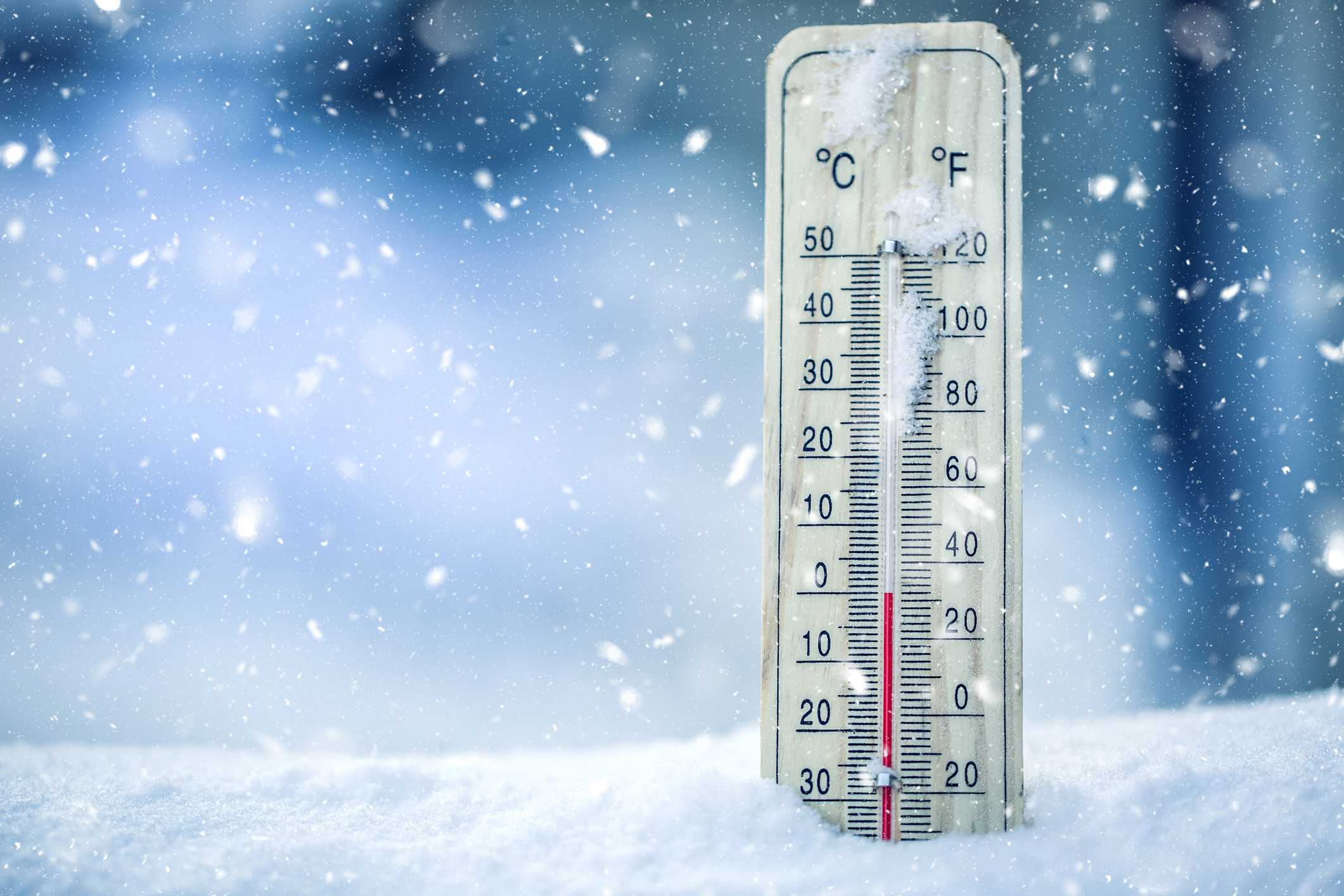
While spring may be just around the corner, winter hasn’t left quite yet. All across the USA, freezing temperatures have chilled us down to the bone. While the snow and the cold may seem fun when you are building snowmen and having snowball fights, cold temperatures can be very hazardous. When you are on the job, the effects of cold weather can go unnoticed while you focus on the task at hand. Here are several ways to help stay safe while working in freezing weather.
1) Listen to the weather forecast
- Listen for a wind chill warning. Warnings are based on local climate and are issued when significant wind chills are expected.
- Tune in to the weather station before you head to work. See what the day will look like and plan and dress accordingly.
2) Plan ahead
- Develop a cold-weather safety plan in advance to ensure that safety concerns are addressed when it’s freezing or when the wind chill is significant. For example, outside workers could schedule warm-up breaks.
- Check heaters before the cold season starts. Be proactive instead of reactive.
3) Dress warmly
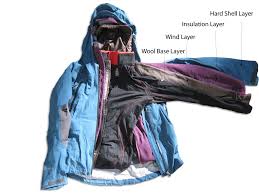
- Dress in layers with a wind-resistant outer layer.
- When it is cold, wear a hat, mittens, or insulated gloves. Keep your face warm with a scarf, neck tube, or facemask.
- Wear warm and waterproof footwear. When it is freezing, or the wind chill is significant, cover as much exposed skin as possible. Your body’s extremities, such as the ears, nose, fingers, and toes, lose heat the fastest.
4) Seek shelter
- When the wind chill is significant, get out of the wind and limit your time outside.
5) Stay dry
- Wet clothing chills the body rapidly.
- Remove outer layers of clothing or open your coat if you are sweating.
6) Keep active
- Walking or running will help warm you by generating body heat.
7) Be aware
- Watch for signs of frostbite and hypothermia (see below).
- Some people are more susceptible to the cold, particularly children, the elderly, and those with circulation problems.
- The use of alcohol, tobacco, and certain medications will increase your susceptibility to cold.
Hypothermia
- Being cold over a prolonged period can cause a drop in body temperature
- Shivering, confusion, and loss of muscular control (e.g., difficulty walking) can occur.
- It can progress to a life-threatening condition where shivering stops or the person loses consciousness. Cardiac arrest may occur.
What to do:
- Get medical attention immediately.
- Lay the person down and avoid rough handling, particularly if the person is unconscious.
- Get the person indoors.
- Gently remove wet clothing.
- Warm the person gradually and slowly, using available sources of heat.
Frostbite
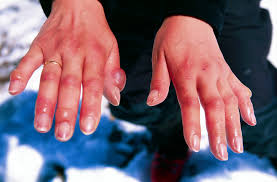
- A more severe condition where both the skin and the underlying tissue (fat, muscle, bone) are frozen.
- Skin appears white and waxy and is hard to the touch.
- No sensation – the area is numb or tingling.
What to do:
- Frostbite can be serious and can result in amputation. Get medical help!
- Do not rub or massage the area.
- Do not warm the area until you can ensure it will stay warm.
- Warm the area gradually; use body heat or warm water (40°C to 42°C). Avoid direct heat, which can burn the skin.
Canada, P. (2018, February 21). Seven steps to cold weather safety. Retrieved February 22, 2021, from https://www.getprepared.gc.ca/cnt/rsrcs/sfttps/tp201101-eng.aspx#:~:text=When%20it%20is%20cold%2C%20wear,much%20exposed%20skin%20as%20possible.