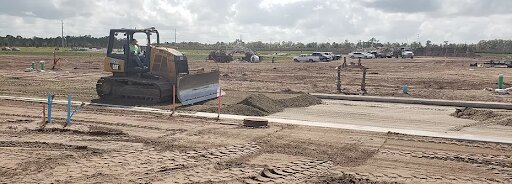

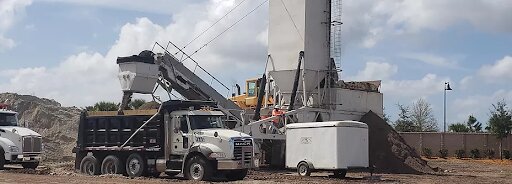
Sarasota, Florida is experiencing one of the most significant increases in the demand for housing than seen in the past several years. However, in order to meet this demand, developers must overcome several challenges on their job sites. One challenge that many developers are facing is poor soil conditions. There are fears that the soil might not provide the proper foundation for all this new construction. In order to provide the best results, many developers are employing soil stabilization as a common improvement technique to help prepare the ground for construction. In this technique, builders mix a small percentage of cement into the soil with appropriate water content and then use compaction equipment to densify the material. Our team in Florida was able to help developers from Sarasota National Communities achieve this desired result while also working to reduce the carbon footprint amount of carbon used in their project.
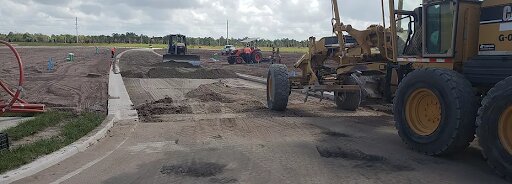
The developers of Sarasota National were not familiar with portland-limestone cement for soil stabilization and had concerns about changing to a different cement for this project. Our Argos team, along with the sales and technical engineering teams, supplied performance data to demonstrate the properties of the PLC-modified soil, which incorporated 4% cement dosage by weight of soil. This new data convinced the developer that PLC mixes would achieve the performance aspects they needed and offer sustainable benefits. For the 1000 tons (907 metric tons) of cement used on this project, switching from ordinary portland cement to PLC resulted in an estimated CO2 savings of 76 tons (69 metric tons). The customer was so pleased; they continue to use PLC for their other stabilization projects.