
What’s a vaccine?
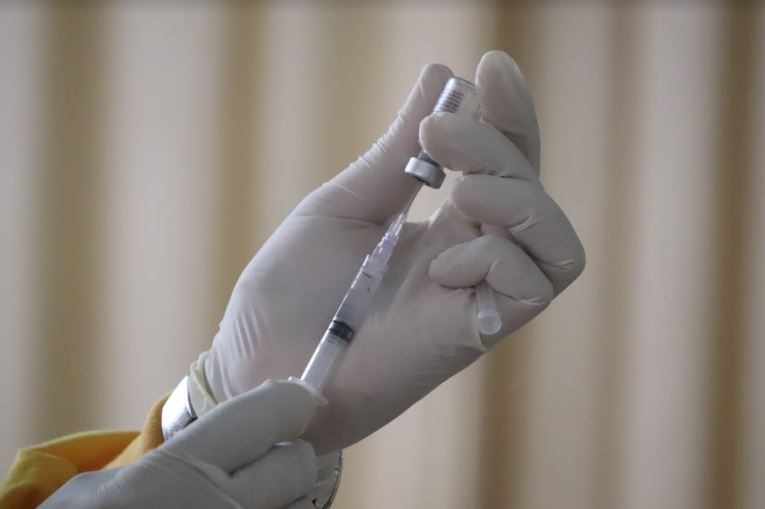
The topic of vaccines always seems to be relevant — and may sometimes be a subject of misinformation. Before vaccines, infectious diseases like smallpox, polio and measles ran rampant.1 But thanks to medical advances, there are available vaccines to jump-start our immune system to help protect us. A vaccine is a small dose of germs that’s meant to mimic a certain illness. This helps your body remember and recognize that infection and helps create antibodies to fight it off — keeping you healthy.
You know how you may practice something for a long time to get really good at it? Well, a vaccine is kind of like practice for your immune system. Each time you practice (get a vaccine), your body may get better and better at fighting off that particular strain of illness. Until one day, your immune system spots that illness and those little antibodies say, “Put me in coach.” Depending on the illness, you may need a different number of vaccines and timing to prevent illness.
What’s the difference between vaccine and immunization?
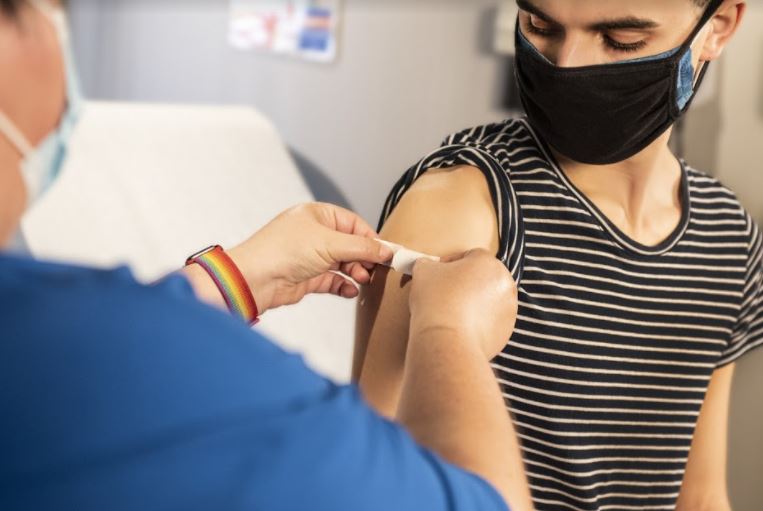
There’s a lot of medical terminology out there. And — spoiler alert — many terms may mean the same thing, which is the case here. A vaccine is something that may fire up your immune system so it can produce immunity to a specific illness. It’s usually given through an injection (like your annual flu shot). A vaccination or immunization (often used interchangeably) is simply the act of giving a vaccine. And once you have immunity to a specific illness, you may be protected from getting it even if exposed.
How does herd immunity work?
Herd immunity is used by the Centers for Disease Control and Prevention (CDC) to describe when enough people within a single community become immune to an infectious disease through vaccination or from previous illness. This may slow the spread of disease and even might make it unlikely to spread at all.3 The percentage of people who may need to have protection in order to achieve herd immunity may vary by disease.