

Although the Coronavirus has become a part of our everyday lives, we cannot let our guard down. Proper precautions and preventative measures should be taken every day to help ensure your safety as well as for your coworkers’ safety.
Coronavirus disease 2019 (COVID-19) is a respiratory illness caused by a virus called SARS-CoV-2. Our understanding of how the virus spreads is evolving as we learn more about it, so check the CDC website for the latest information and current list of symptoms. The virus is thought to spread mainly from person to person:
- Between people who are in close contact with one another (within about 6 feet).
- Through respiratory droplets produced when an infected person coughs, sneezes, or talks.
Recent studies indicate that the virus can be spread by people who are not showing symptoms. It may be possible that a person can get COVID-19 by touching a surface or object that has the virus on it and then touching their own mouth, nose, or possibly their eyes. This is not thought to be the primary way the virus spreads, but we are still learning more about this virus. Older adults and people of any age who have severe underlying medical conditions may be at higher risk for severe illness from COVID-19.
As a construction worker, how can I protect myself and slow the spread?
Potential sources of exposure include having close contact with a coworker or member of the public who is ill with COVID-19 and touching your nose, mouth, or eyes after touching surfaces contaminated with the virus, or handling items that others infected with COVID-19 have touched. Actions you can take include the following:
- Notify your supervisor and stay home if you have symptoms.
- Follow CDC-recommended steps if you are sick. You should not return to work until the criteria to discontinue home isolation are met, in consultation with healthcare providers, your employer, and state and local health departments.
- Follow CDC-recommended precautions and notify your supervisor if you are well but have a sick family member at home with COVID-19.
- Limit close contact with others by maintaining a distance of at least 6 feet, when possible.
- Limit the number of workers in small workspace areas such as job site elevators, trailers and vehicles, and spaces under construction if possible.
- CDC recommends wearing cloth face coverings in public settings where other social distancing measures are difficult to maintain, especially in areas where there is a significant community-based transmission of COVID-19.
- Cloth face coverings may prevent people who don’t know they have the virus from transmitting it to others.
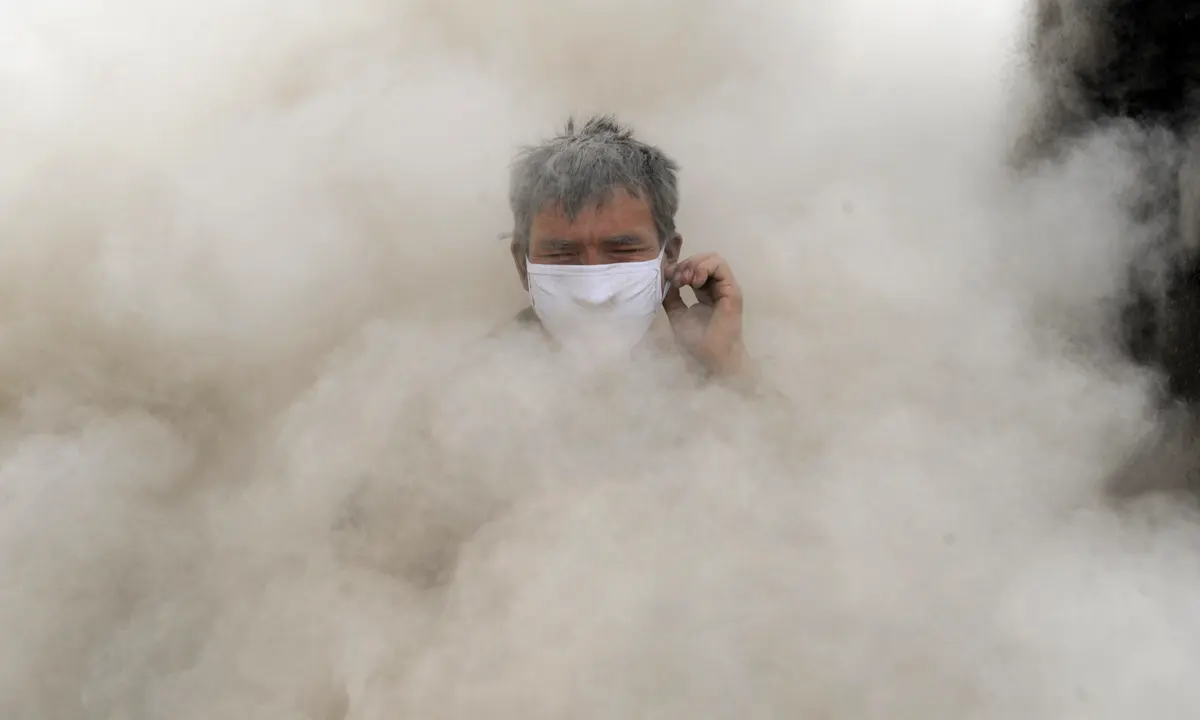
- Cloth face coverings are NOT surgical masks or respirators and are not appropriate substitutes for them in workplaces where masks or respirators are recommended or required.
- Clean and disinfect frequently touched surfaces such as shared tools, machines, vehicles and other equipment, handrails, ladders, doorknobs, and portable toilets. Clean and disinfect frequently touched surfaces periodically throughout the shift but also:
- At the beginning and end of every shift
- After anyone uses your vehicle, tools, or workstation
- Limit tool sharing if possible.
- Practice proper hand hygiene. This is an important infection control measure. With appropriate hand hygiene, you do not need gloves to protect you from COVID-19. When possible, wash your hands regularly with soap and water for at least 20 seconds or use an alcohol-based hand sanitizer containing at least 60% alcohol.
- Key times to clean hands include:
- Before and after work shifts and breaks
- After blowing your nose, coughing, or sneezing
- After using the restroom
- Before eating and before and after preparing food
- After touching objects which have been handled by coworkers, such as tools and equipment
- Before putting on and after taking off work gloves
- After putting on, touching, or removing cloth face coverings
- Before donning or doffing eye or face protection (safety glasses, goggles, etc.)
- Do not touch your eyes, nose, or mouth.
- Use tissues when you cough, sneeze or touch your face. Throw used tissues in the trash and wash your hands or use hand sanitizer containing 60% alcohol if a sink to wash your hands is not available.
Centers for Disease Control and Prevention. (2021). What Construction Workers Need to Know about COVID-19 Retrieved from https://www.cdc.gov/coronavirus/2019-ncov/community/organizations/construction-workers.html