

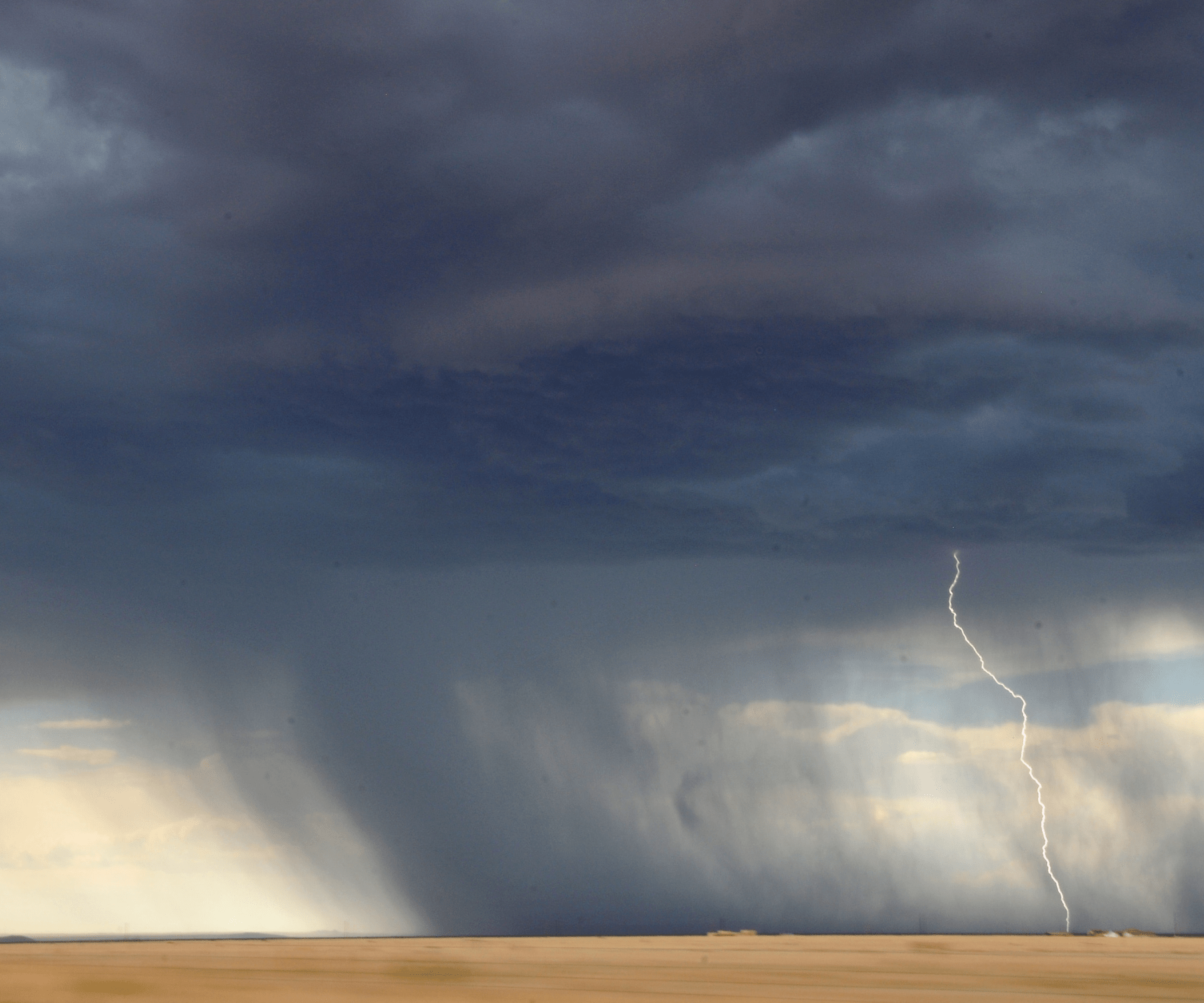
Severe weather events, such as hurricanes, tornadoes, floods, and blizzards, can be extremely dangerous and even life-threatening if you’re not adequately prepared. Being proactive and informed is key to ensuring your safety and the safety of your loved ones during these situations. Here are five essential tips to help you prepare and stay safe during severe weather.
Stay Informed:
One of the most critical steps in preparing for severe weather is to stay informed about the latest updates and warnings. Keep a weather radio, smartphone, or battery-powered emergency radio on hand to receive real-time weather alerts and updates from local authorities. Pay close attention to weather forecasts, and don’t ignore evacuation orders or severe weather warnings.
Create an Emergency Kit:
Prepare an emergency kit well in advance of any severe weather event. This kit should include essential supplies like non-perishable food, bottled water, a flashlight, batteries, a first-aid kit, important documents (such as identification and insurance papers), and any necessary prescription medications. Make sure your kit is easily accessible and kept in a waterproof container.
Develop a Family Emergency Plan:
Establish a clear and concise family emergency plan that outlines what to do in case of severe weather. Include evacuation routes, meeting points, and a communication plan. Ensure that every family member understands their role and responsibilities during an emergency.
Protect Your Home:
Securing your home is crucial when preparing for severe weather. Install storm shutters or plywood boards to protect windows from flying debris during hurricanes or tornadoes. Reinforce your roof if you live in an area prone to high winds. Clear gutters and drains to prevent flooding during heavy rainstorms.
Stay In a Safe Location:
During severe weather, it’s essential to seek shelter in a safe location. For tornadoes, head to a designated storm shelter or a small, windowless interior room on the lowest floor of your home. In the case of hurricanes, follow evacuation orders and relocate to a sturdy shelter or inland location. If you experience flooding, move to higher ground immediately. Always stay indoors during severe weather events, and avoid unnecessary travel.