

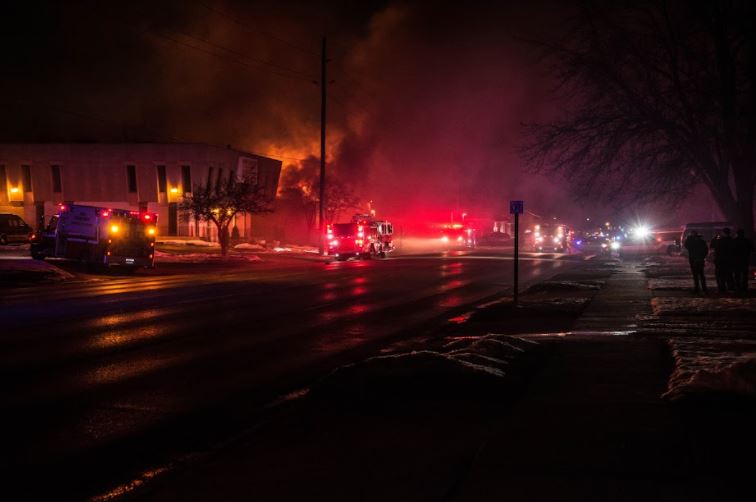
Fire Prevention Week is next week (October 3-9), making it the perfect time to review and practice your family’s escape plan. The number one rule if a fire happens in your home: get out, stay out and call for help. Never go back inside for anyone or anything. Call the fire department from outside your home.
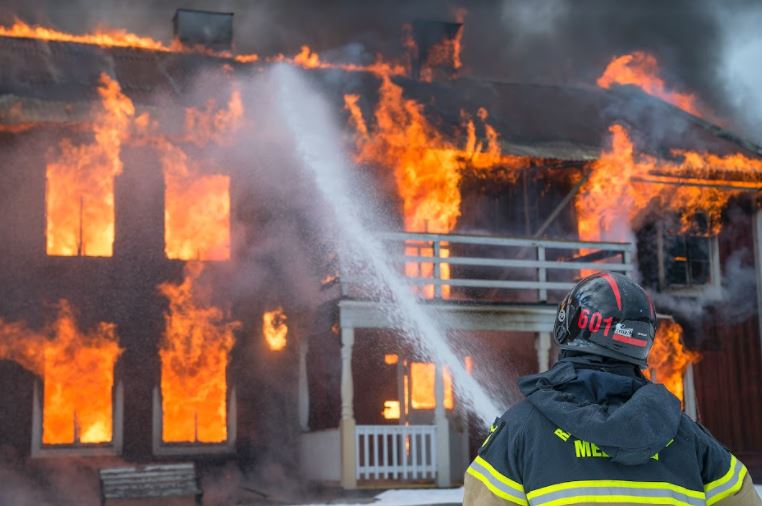
Minimize Your Risks
The good news: Over the past several decades, deaths from home fires in the U.S. have steadily gone down—from 5,200 in 1980 to 2,710 in 2017, according to the National Safety Council’s Injury Facts.
But even one death from a preventable fire is too many. While fire doesn’t discriminate by age, it is the third leading cause of death for children ages 1 to 14. In 2017, 127 children in this age group died from fire and smoke inhalation.
Cooking fires are the leading cause of home fires and fire injuries. While cooking, make fire safety a priority by keeping these tips in mind:
- Be alert; if you are sleepy or have consumed alcohol, don’t use the oven or stovetop
- Stay in the kitchen while you are frying, grilling, boiling or broiling food
- When simmering, baking or roasting, check the food regularly, remain in the kitchen while cooking and use a timer
- Keep anything that can catch fire away from your stovetop

Heating is the second leading cause of home fires. Follow these tips from the American Red Cross:
- Keep all flammables, like paper, clothing, bedding, drapes or rugs, at least 3 feet from a space heater, stove or fireplace
- Never leave portable heaters and fireplaces unattended; turn off heaters and make sure fireplace embers are extinguished before leaving the room
- If you must use a space heater, place it on a level, nonflammable surface, like ceramic tile, not on a rug or carpet
- Keep children and pets away from space heaters
- When buying a space heater, look for models that shut off automatically if the heater falls over
In addition to cooking, other top causes of fire include smoking, electrical problems and candles. To minimize risks:
- Institute a “no smoking” policy in the house
- Check all cords and replace any that are frayed or have bare wires
- Switch to flameless candles
- Keep matches and lighters high and out of children’s reach in a locked cabinet
Working Smoke Alarms Are a Must
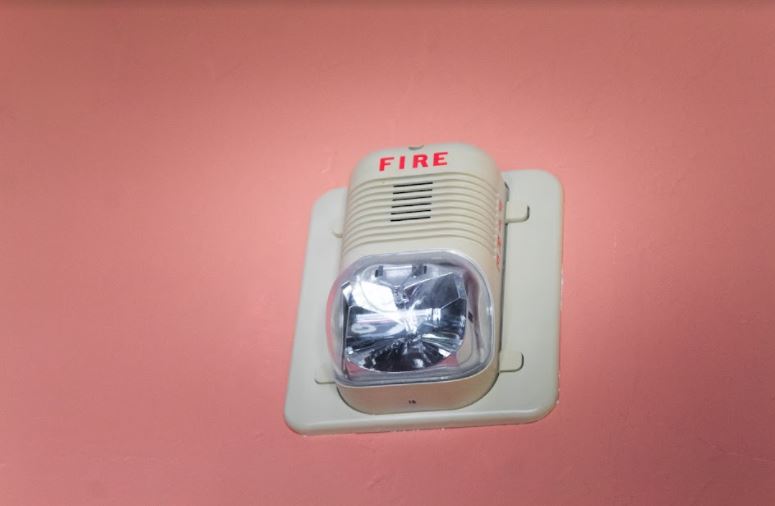
About three out of five fire deaths happen in homes with no smoke alarms or working smoke alarms. Smoke alarms are a key part of a home fire escape plan providing early warning reducing your risk of dying in a fire. The National Fire Protection Association recommends you:
- Install smoke alarms on every level of your home, inside bedrooms and outside sleeping areas on the ceiling or high on the wall
- Keep smoke alarms away from the kitchen, at least 10 feet from the stove, to reduce false alarms
- Use special alarms with strobe lights and bed shakers for people who are hard of hearing or deaf
- Test smoke alarms monthly
- Replace batteries annually, and change the batteries in your carbon monoxide detector at the same time
- Replace smoke alarms that are 10 or more years old
Make an Escape Plan
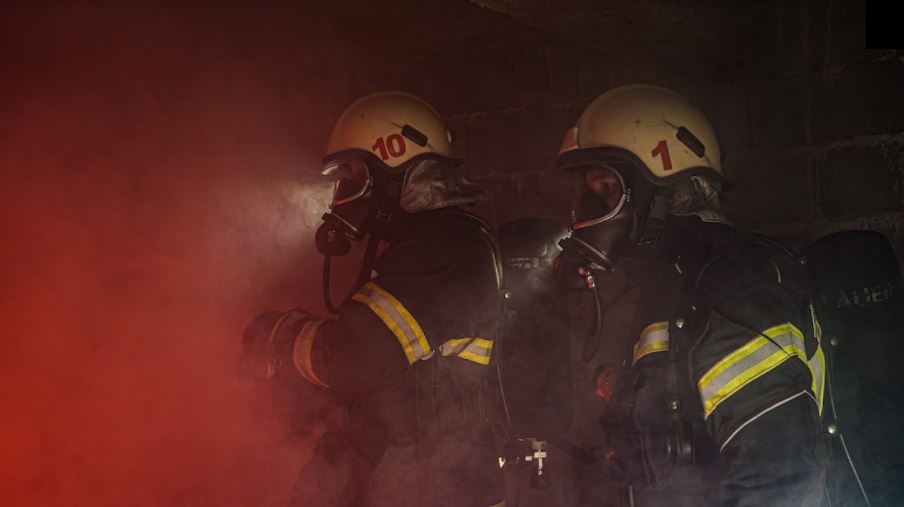
A home fire is reported every 88 seconds. Once the smoke alarm sounds, a fire can spread quickly, leaving only a minute or two to escape. That’s why it’s so important to have a home escape plan.
Start by drawing a map for your home and following these guidelines from the NFPA:
- Plan two ways to escape from each room
- Make sure all doors and windows leading outside open easily
- Identify secondary routes – a window onto an adjacent roof or a collapsible ladder from upper-story windows
- If you live in a multi-story building, plan to use the stairs—never the elevator
- Designate an outside meeting place a safe distance from the house where everyone should meet
Now Practice Your Home Fire Escape Plan
Home Fire Drill Day, a safety observance developed by Nationwide in partnership with the National Safety Council and other organizations, is held during Fire Prevention Week in October. Everyone—even children— need to know your family escape plan in case of a fire. The National Fire Protection Association indicates that 71 percent of Americans have a home fire escape plan but only 47 percent have practiced it. Practice your fire drill with everyone in the house at night and during the day, twice a year.
Remember to:
- Practice getting out with your eyes closed, crawling low to the floor and keeping your mouth covered
- Practice closing doors behind you
- Practice how to “stop, drop and roll” if your clothes catch on fire
- Practice testing door handles to see if they are hot before opening them
- Teach children never to hide during a fire, and how to escape on their own in case you can’t help them
When and How to Use Fire Extinguisher
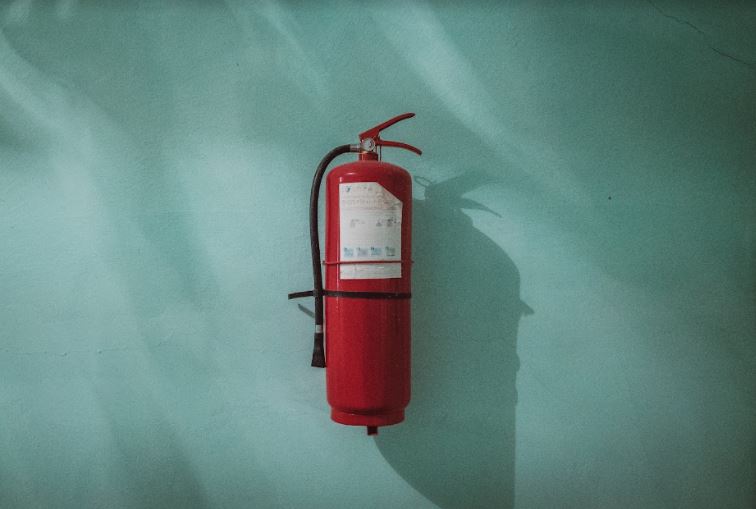
Always put your safety first. If you are not confident in your ability to use a fire extinguisher, get out and call 9-1-1. The American Red Cross cautions you to evaluate the situation and ensure:
- Everyone has left or is leaving the home
- The fire department has been called
- The fire is small, not spreading, and there is not much smoke
- Your back is to an exit you can use quickly
Learn about the different types of fire extinguishers because not all will work on every fire. For home use, the National Fire Protection Association recommends a multi-purpose device large enough to put out a small fire, but not so heavy that it will be difficult to handle.
Review the instructions once a year. If you need to use a fire extinguisher, there won’t be time to learn how to do it.
To use a fire extinguisher, remember the acronym PASS:
Pull the pin.
Aim low at the base of the fire.
Squeeze the handle slowly.
Sweep the nozzle side to side.