

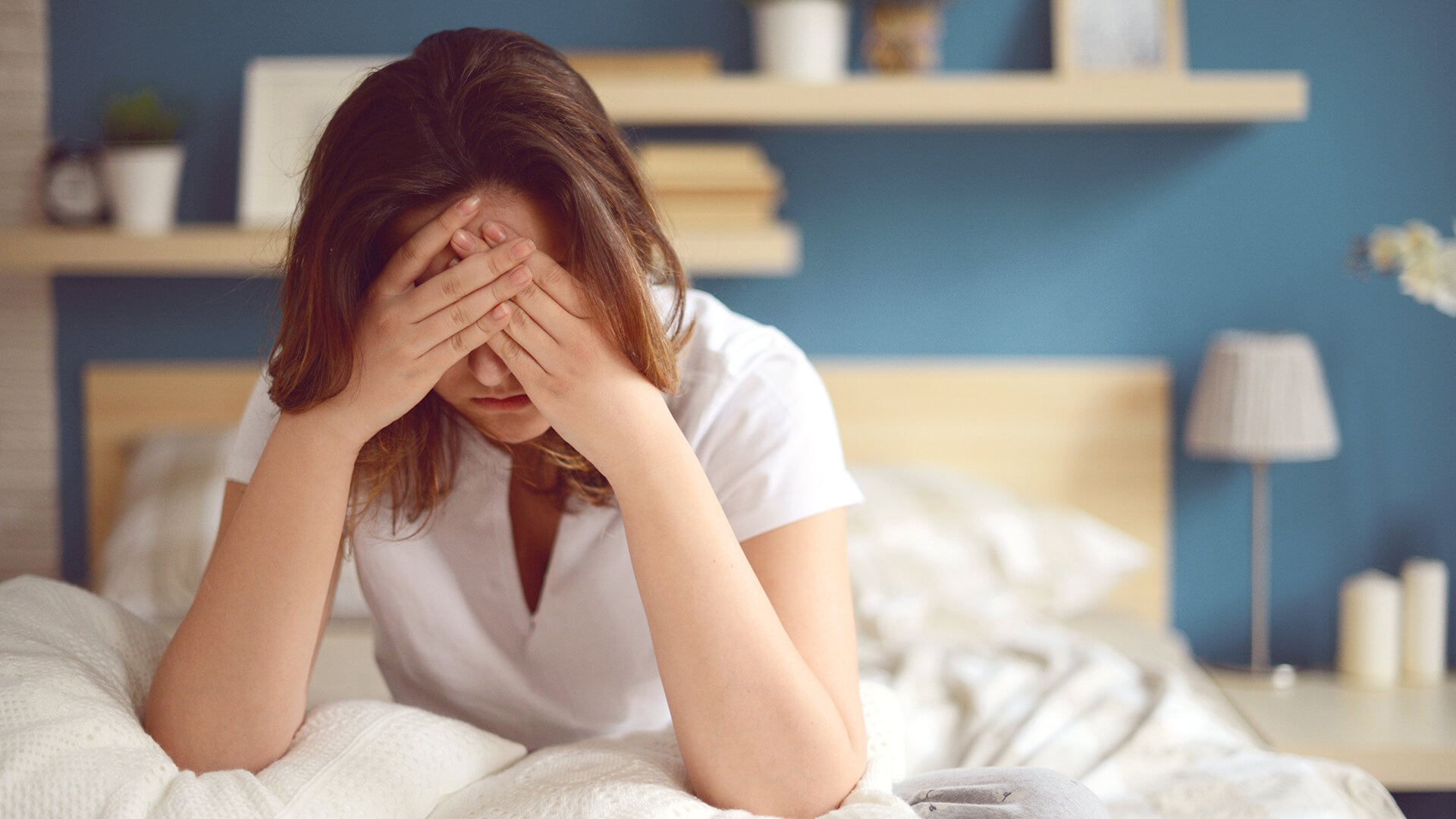
Recognizing signs of anxiety and ways to get help
Anxiety has become a common topic of conversation more and more. That’s likely because many people may have experienced at least some anxiety at one time or another. Anxiety might happen as a reaction to relationships, health, school, work, finances, unexpected changes, significant life events — any number of things. At times, anxiety may be considered a healthy emotion — in some moments; it may alert you to pay better attention to your mental health. However, when your thoughts or concerns become intrusive, and “what-if” worries start to affect your daily life, you may have an anxiety disorder.
What is an anxiety disorder?
An anxiety disorder is defined as having racing thoughts or feelings paralyzed by fear or when thoughts feel out of control. Anxiety disorders impact more than 40 million adults in the United States alone
What causes anxiety?
Although the exact cause of anxiety is unknown, research points to the fact that genetic factors and adverse events or stressful life experiences may play a role. Some health conditions or medication side effects may also produce or aggravate symptoms.

Signs and symptoms may include:
- Thoughts that won’t go away
- Avoiding certain situations out of worry
- Using substances (alcohol, drugs, tobacco) to cope
- Experiencing a sense of perceived danger or doom
- Feeling nervous or on edge
- Feeling restless
- Fast breathing
- Not being able to sleep
- Stomach pain
When should I seek professional help for anxiety?
If you are experiencing any of the signs of anxiety indicated above, it may be time to get help. It takes courage to ask for help, but it is an important first step. A behavioral health specialist may be able to help you find ways to cope with anxiety and manage your thoughts and worries.

Why it may be important to seek help for anxiety
It is not uncommon for those struggling with anxiety to hope the issue will go away on its own. The reality is — if left untreated — symptoms may get much worse. With the right combination of therapy, stress management, and medication, anxiety is considered treatable.
Ways to help reduce anxiety
- Stop what you are doing. Close your eyes. Breathe in and breathe out slowly.
- Get enough good sleep — create a schedule and try not to use cell phones or laptops in bed.
- Focus on what you may be able to change.
- Limit alcohol and caffeine.
- Retrain your brain to think positive thoughts — you may be able to “uncreate” that negative thought by reframing it.
- Bring yourself back to the moment by doing something tangible — hold an ice cube or rub a soft piece of fabric between your fingers. The sensation can engage your senses (your thoughts can’t be two places at once).
- Redirect your energy to something else (Go for a walk. Clean. Watch a funny video).

If you are having trouble managing your fears and worries, you may want to think about seeking professional help as outlined above. Offer yourself grace. You deserve compassion and understanding as you try to regain your footing.