


In addressing workplace safety, environmental, health and safety professionals often begin with ensuring physical safety for their co-workers and businesses. However, that’s only the beginning of creating a safe place to work.
A safe work environment not only protects lives and livelihoods, it provides a place where all employees can feel emotionally and mentally safe.
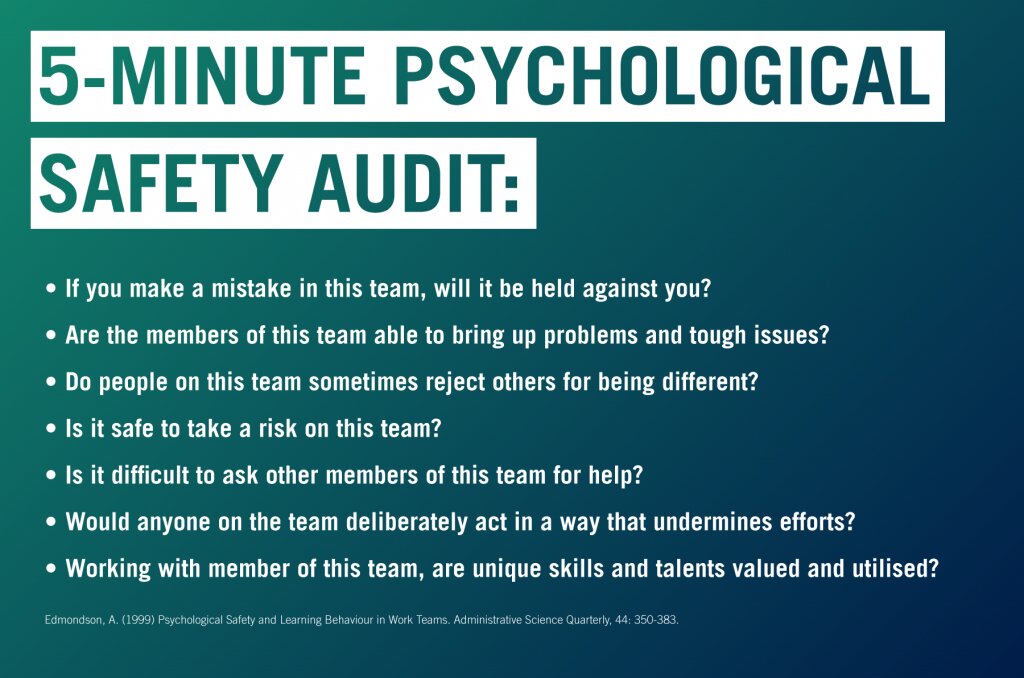
Employee well-being and psychological safety is as important as ensuring people are physically safe on the job. Psychological, social and emotional factors can distract or impact employees mentally, which can lead to physical safety and health issues. Moreover, mental well-being is a critical component of overall worker health and safety. It’s up to business leaders to put employees’ mental health and safety on an equal level with physical safety.
The challenges we have experienced this year, from the COVID-19 pandemic to a reckoning around racial justice, have put strains and stresses on our families and employees and led us to recognize that we cannot truly be safe until we feel safe. We know that when people go to work, they can’t always leave these stressors behind. Creating a holistic approach to safety is one way leaders can engage and reach all employees, ensuring individuals feel a sense of belonging and inclusion and are free to contribute their best ideas without fear of negative consequences.
Improving psychological safety in addition to physical safety protects our ability to speak up, share ideas and opinions, learn new skills, and challenge the status quo. It also encourages employees to seek support when experiencing mental health distress – a necessity, as more than 40% of Americans are reporting elevated levels of mental health distress in conjunction with the pandemic.
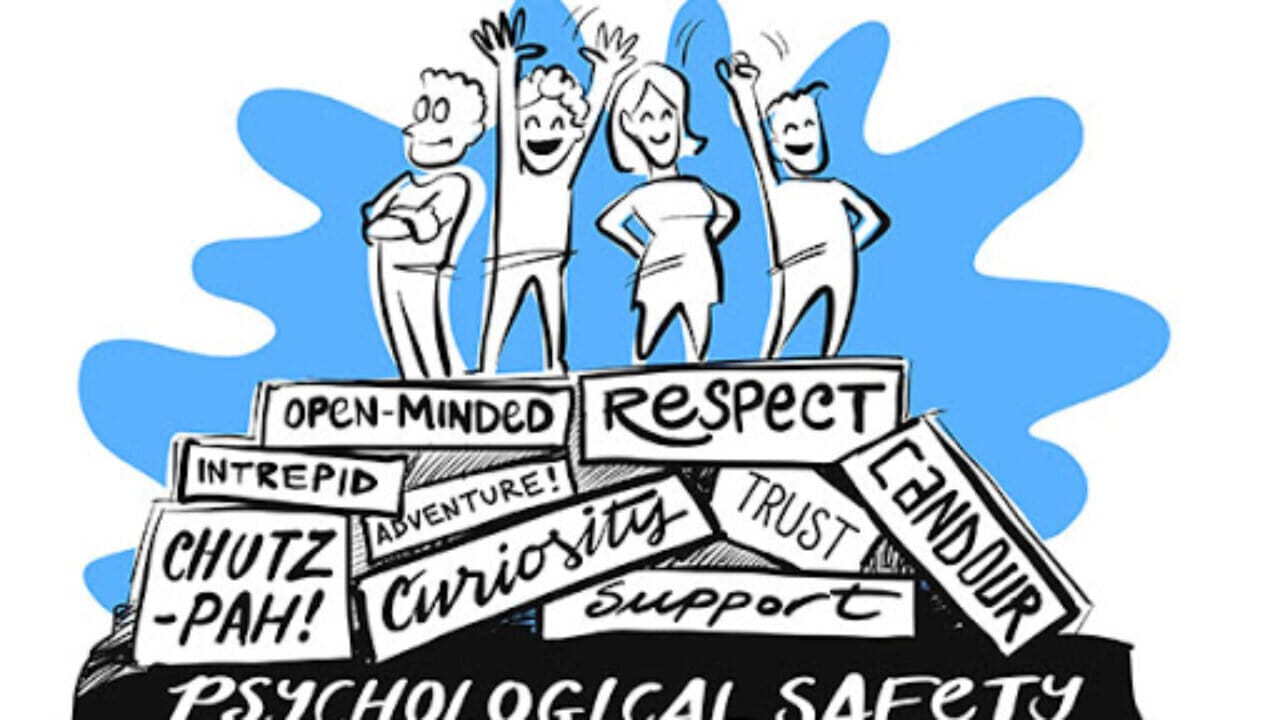
The main barrier to psychological safety in the workplace is the lack of awareness about how to create the right environment, and that all starts with how people are treated in the workplace. It should be every business leader’s goal to create a workplace environment where every employee feels accepted, respected and valued for their contributions.
Beginning to understand and address behaviors or actions that may lead to an environment that is not as psychologically safe as it could be may require difficult conversations about the steps we are or are not taking to ensure inclusion and addressing inherent biases. Although we can’t fully control our environment – especially during a pandemic – we can foster an inclusive, psychologically safe workplace by observing the actions of those around us, listening more closely and considering other perspectives that may challenge our own inherent biases.

Keeping psychological safety top of mind involves:
- Responding with respect when interacting with co-workers and clients
- Asking for and considering the opinions and perspectives of others
- Courageously speaking up if you observe someone who isn’t creating a psychologically safe environment
- Encouraging employees to seek support when needed
Ensuring psychological safety makes it possible for everyone to bring their best selves to work. When we get everyone to contribute, our workplaces and our communities not only survive, but thrive – safely. We must challenge ourselves and each other to do better, so that we create a truly safe place to work for all.
Martin, L. M. (2021, April 13). Speaker Spotlight: Psychological safety is part of a safe workplace. Safety + Health Magazine. https://www.safetyandhealthmagazine.com/articles/20514-speaker-spotlight-psychological-safety-is-part-of-a-safe-workplace