
Objective: Protect yourself against human manipulation.
Social engineering is a psychological manipulation technique used by attackers to trick people into:
• Sharing confidential information (passwords, banking details, etc.)
• Granting unauthorized access to systems
• Clicking malicious links or downloading infected files
The attacker pretends to be someone trustworthy, such as a coworker, a support technician, or a well-known institution.
How does it work?
Attackers take advantage of emotions such as:
• Urgency: “I need this right now, otherwise the opportunity will be lost.”
• Authority: “I’m from the IT department, I need your username and password.”
• Fear: “Your account has been compromised, click here to avoid being blocked.”
• Curiosity or reward: “You won a prize, enter your information to claim it.”
Common Examples
| Type of Attack | Description |
| Phishing | Fake emails or messages that imitate legitimate entities. |
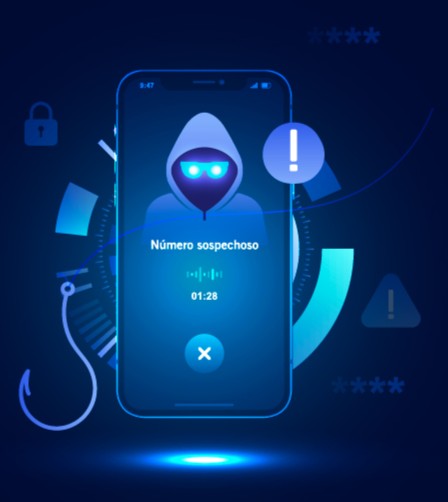
| Vishing (voice) | Fraudulent phone calls, for example pretending to be from the bank. |
| Smishing (SMS) | Text messages with malicious links or urgent requests. |
| Pretexting | The attacker invents a story to obtain information. |
| Tailgating | Someone tries to enter offices by following an employee without authorization. |
How to protect yourself?
- Be cautious of urgent or suspicious requests.
- Never share passwords or personal information by email, phone, or message.
- Verify the requester’s identity through official channels.
- Do not click links or download files from unknown sources.
- Report any suspicious attempts through Emma.