

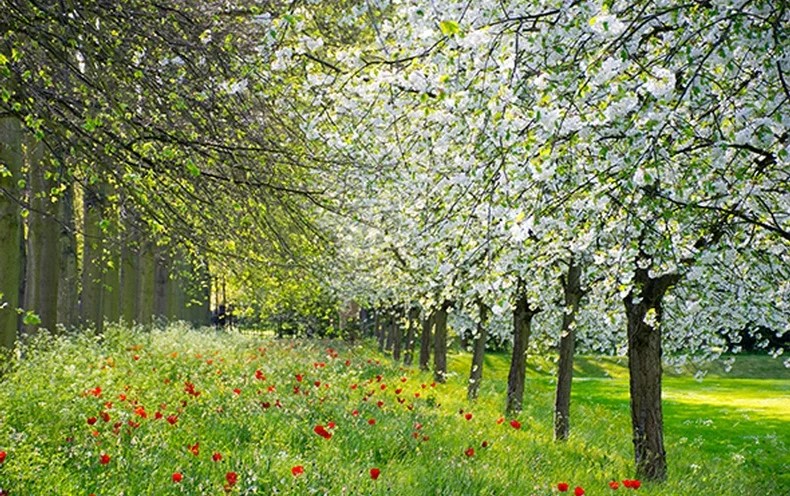
Spring officially began last week! That means flowers will be blooming, the days will start to get warmer, and for many of us, pollen allergies will begin flaring up. This year, however, we have a pandemic to contend with as well.
What is pollen?
Pollen is the grains or tiny seeds of flowering plants, trees, and grasses. These seeds can be carried on the wind and can cause various symptoms, or none at all, in individuals who are exposed to them.
What health problems can pollen cause?
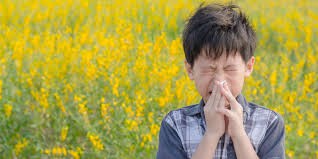
For people with hay fever, also known as “allergic rhinitis,” breathing in pollen can cause sneezing, congestion, and a runny nose. Pollen exposure can also result in “allergic conjunctivitis” in some individuals, causing red, watery, or itchy eyes.
Pollen exposure can also cause asthma attacks in people who have asthma and for whom pollen is an asthma trigger.
How can I protect myself against pollen?
If you are allergic to pollen, or if you have asthma, you can take steps to protect yourself:
- Check pollen forecasts on local news and online sources and plan to spend less time outdoors when pollen levels will be high.
- Take your allergy and/or asthma medications as prescribed by your health care provider.
- Don’t touch your eyes while you are outside, and wash your hands when you go back inside (before you touch your eyes).
- Shower after being outside to remove pollen from your skin and hair.
- Change your clothes after being outdoors.
- Keep windows closed during pollen season.
- Use high-efficiency filters in your home’s heating, ventilation, and air conditioning (HVAC) system. Make sure your HVAC system can use high-efficiency filters and that they don’t violate the system’s warranty.
- Another step you can take is one that many of us are already doing. Wear a face mask.
Climate change and public health – health effects – pollen and your health. (2020, August 21). Retrieved March 26, 2021, from https://www.cdc.gov/climateandhealth/effects/pollen-health.htm