


Spring is a time of fresh starts, and for many, that means it’s time to start focusing on their health and losing weight. As the temperature rises, people begin heading outside to go for runs, hikes, and a swim. Paired with this increase in physical activity, people also begin looking into new diets to help shave off that extra pound. Even if you aren’t looking to lose weight, there are several other health benefits, including mitigating the effects of diseases including diabetes and heart diseases. Continue reading to explore three health diets that might work for you.
1. Intermittent fasting
Intermittent fasting is a dietary strategy that cycles between periods of fasting and eating.

Various forms exist, including the 16/8 method, which involves limiting your calorie intake to 8 hours per day, and the 5:2 method, which restricts your daily calorie intake to 500–600 calories twice per week.
How it works: Intermittent fasting restricts the time you’re allowed to eat, which is a simple way to reduce your calorie intake. This can lead to weight loss — unless you compensate by overeating food during allowed eating periods.
Weight loss: In a review of studies, intermittent fasting was shown to cause 3–8% weight loss over 3–24 weeks, which is a significantly greater percentage than other methods
Studies found that intermittent fasting can increase fat burning while preserving muscle mass, which can improve metabolism.

Other benefits: Intermittent fasting has been linked to anti-aging effects, increased insulin sensitivity, improved brain health, reduced inflammation, and many other benefits
Downsides: In general, intermittent fasting is safe for most healthy adults.
That said, those sensitive to drops in their blood sugar levels, such as some people with diabetes, low weight, or an eating disorder, as well as pregnant or breastfeeding women, should talk to a health professional before starting intermittent fasting.
- Low-Carb Diet
Low-carb diets are among the most popular diets for weight loss. Examples include the Atkins diet, ketogenic (keto) diet, and low-carb, high-fat (LCHF) diet.

Some varieties reduce carbs more drastically than others. For instance, very-low-carb diets like the keto diet restrict this macronutrient to under 10% of total calories, compared with 30% or less for other types.
How it works: Low-carb diets restrict your carb intake in favor of protein and fat.
They’re typically higher in protein than low-fat diets, which is important, as protein can help curb your appetite, raise your metabolism, and conserve muscle mass.
In very low-carb diets like keto, your body begins using fatty acids rather than carbs for energy by converting them into ketones. This process is called ketosis.

Weight loss: Many studies indicate that low-carb diets can aid weight loss and may be more effective than conventional low-fat diets.
For example, a review of 53 studies, including 68,128 participants, found that low-carb diets resulted in significantly more weight loss than low-fat diets.
What’s more, low-carb diets appear to be quite effective at burning harmful belly fat.
Other benefits: Research suggests that low-carb diets may reduce risk factors for heart disease, including high cholesterol and blood pressure levels. They may also improve blood sugar and insulin levels in people with type 2 diabetes.
Downsides: In some cases, a low-carb diet may raise LDL (bad) cholesterol levels. Very low-carb diets can also be challenging to follow and cause digestive upset in some people.
In very rare situations, following a very low-carb diet may cause a condition known as ketoacidosis, a dangerous metabolic condition that can be fatal if left untreated. You should talk to a health professional before starting intermittent fasting.
- The paleo diet
The paleo diet advocates eating the same foods that your hunter-gatherer ancestors allegedly ate.

It’s based on the theory that modern diseases are linked to the Western diet, as proponents believe that the human body hasn’t evolved to process legumes, grains, and dairy.
How it works: The paleo diet advocates eating whole foods, fruits, vegetables, lean meats, nuts, and seeds. It restricts processed foods, grains, sugar, and dairy, though some less restrictive versions allow for some dairy products like cheese.
Weight loss: Numerous studies have shown that the paleo diet can aid weight loss and reduce harmful belly fat.
For example, in one 3-week study, 14 healthy adults following a paleo diet lost an average of 5.1 pounds (2.3 kg). They reduced their waist circumference — a marker for belly fat — by an average of 0.6 inches (1.5 cm).
Research also suggests that the paleo diet may be more filling than popular diets like the Mediterranean diet and low-fat diets. This may be due to its high protein content.
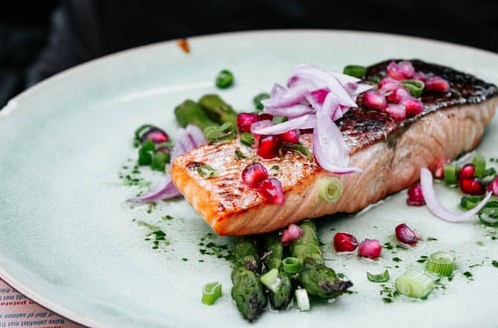
Other benefits: Following the paleo diet may reduce several heart disease risk factors, such as high blood pressure, cholesterol, and triglyceride levels.
Downsides: Though the paleo diet is healthy, it restricts several nutritious food groups, including legumes, whole grains, and dairy. Talk to a health professional before starting intermittent fasting.
While all of the above diets have been shown to be effective for weight loss, the diet you choose should depend on your lifestyle and food preferences. This ensures that you are more likely to stick to it in the long term.
Ramon, Ryan. The 8 Best Diet Plans — Sustainability, Weight Loss, and More. 19 Aug. 2019, www.healthline.com/nutrition/best-diet-plans