

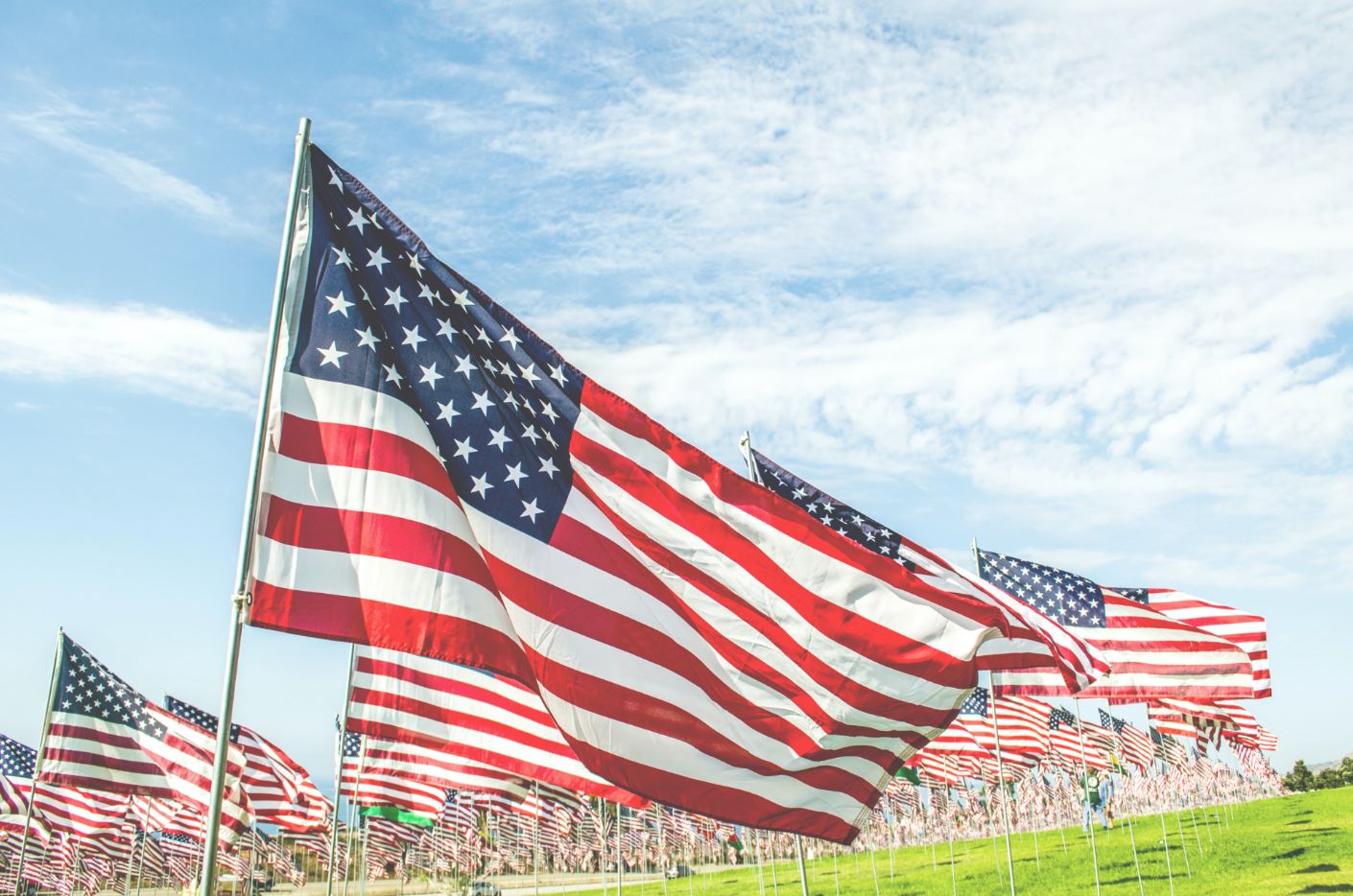
This Memorial Day weekend will look much different than in years past. Memorial Day weekend symbolizes not only a day of remembrance, but for many, it symbolizes the unofficial start to the summer season. While we know everyone is eager to have fun, we also need everyone to be safe. Small oversights can turn into agonizing moments.
Steps to Prevent Spread of COVID-19
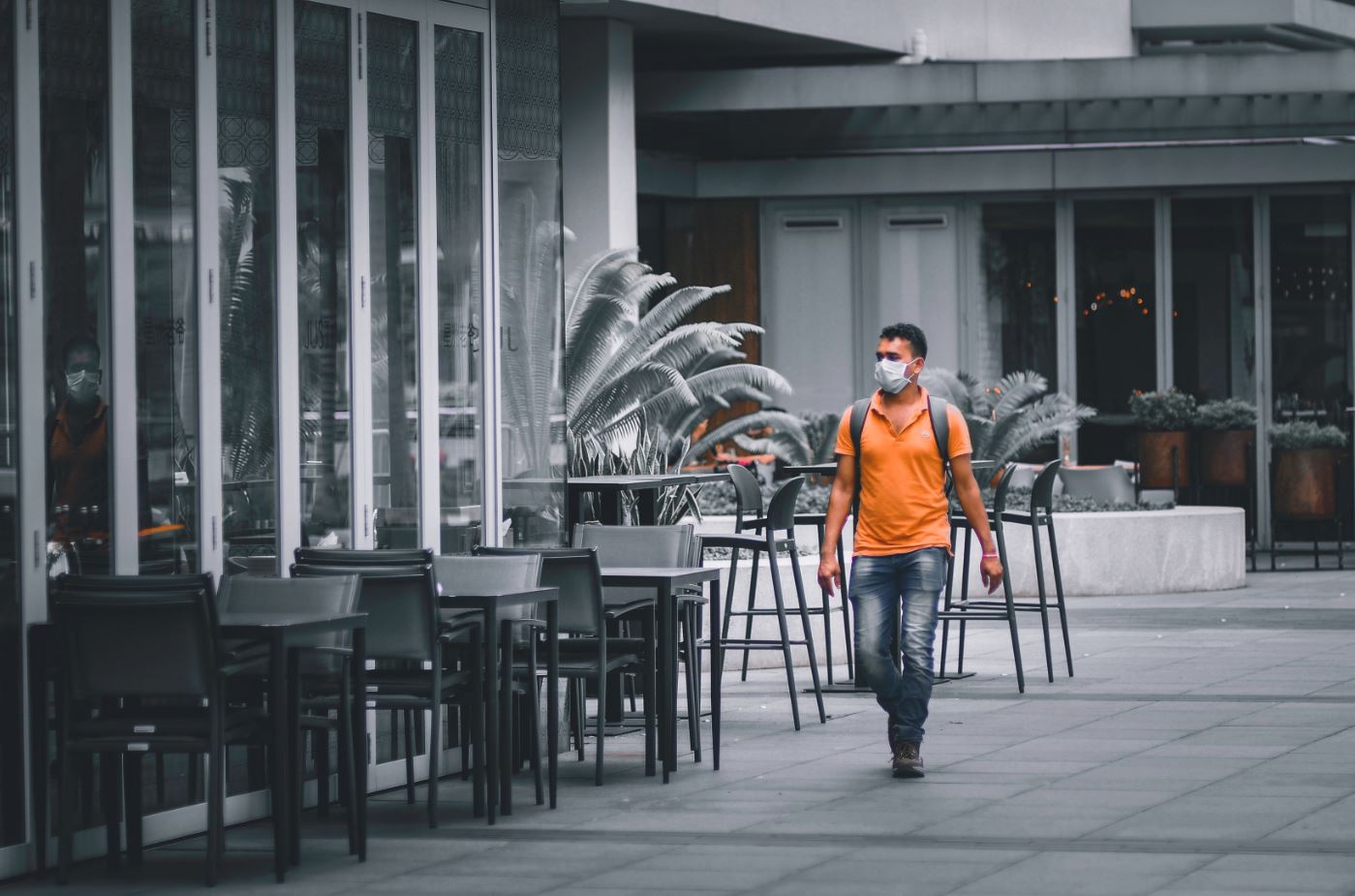
While enjoying recreational activities this weekend, be sure to follow these guidelines from the CDC to protect yourself and others from COVID-19:
Practice social distancing:
- Stay at least 6 feet (about 2 arms’ length) from other people.
- Do not gather in groups.
- Stay out of crowded places and avoid mass gatherings.
Wash your hands often:
- Wash your hands often with soap and water for at least 20 seconds especially after you have been in a public place, or after blowing your nose, coughing, or sneezing.
- If soap and water are not readily available, use a hand sanitizer that contains at least 60% alcohol. Cover all surfaces of your hands and rub them together until they feel dry.
- Avoid touching your eyes, nose, and mouth with unwashed hands.
Cover your mouth and nose with a cloth face cover when around others:
- Everyone should wear a cloth face cover when they have to go out in public.
- Cloth face coverings should not be placed on young children under age 2, anyone who has trouble breathing, or is unconscious, incapacitated or otherwise unable to remove the mask without assistance.
- The cloth face cover is meant to protect other people in case you are infected.
UV Safety
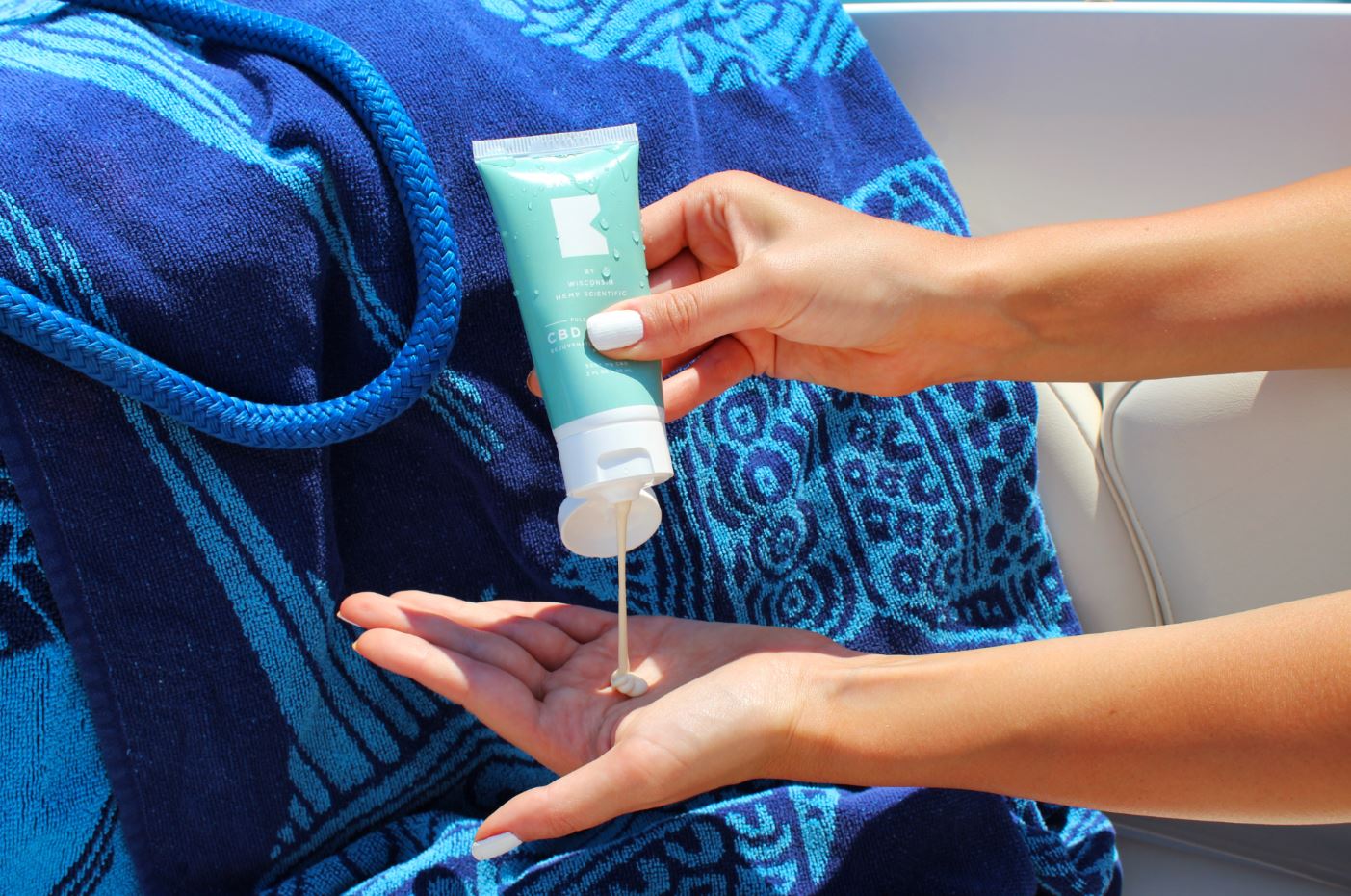
With everyone outside enjoying the wonderful weather, it’s important to keep UV safety top of mind.
- Apply sunscreen: Make sure you’re applying minimum SPF 15 before going outside – no matter the weather! Take time to reapply sunscreen every two hours you’re outside. Doing so helps prevent sunburns short-term and potentially skin cancer long-term.
- Find shade: It’s important to not overexpose your skin to UV rays. The best way to provide relief from the sun is to find shade. This is especially important during midday hours, which are 10 a.m. to 4 p.m. in the summer months.
- Wear a hat: While baseball caps can help shield your face, they leave your ears and the back of your neck exposed. Hats with a wide brim provide the best protection, as they shade your face, ears and neck. Just as with clothing, the darker the fabric, the more sun protection!
- Wear sunglasses: Don’t forget to protect your eyes! Invest in sunglasses that block both UVA and UVB rays. Proper sunglasses can help protect from sun damage, protect the skin around your eyes, and reduce the risk of cataracts.
Practice Water Safety
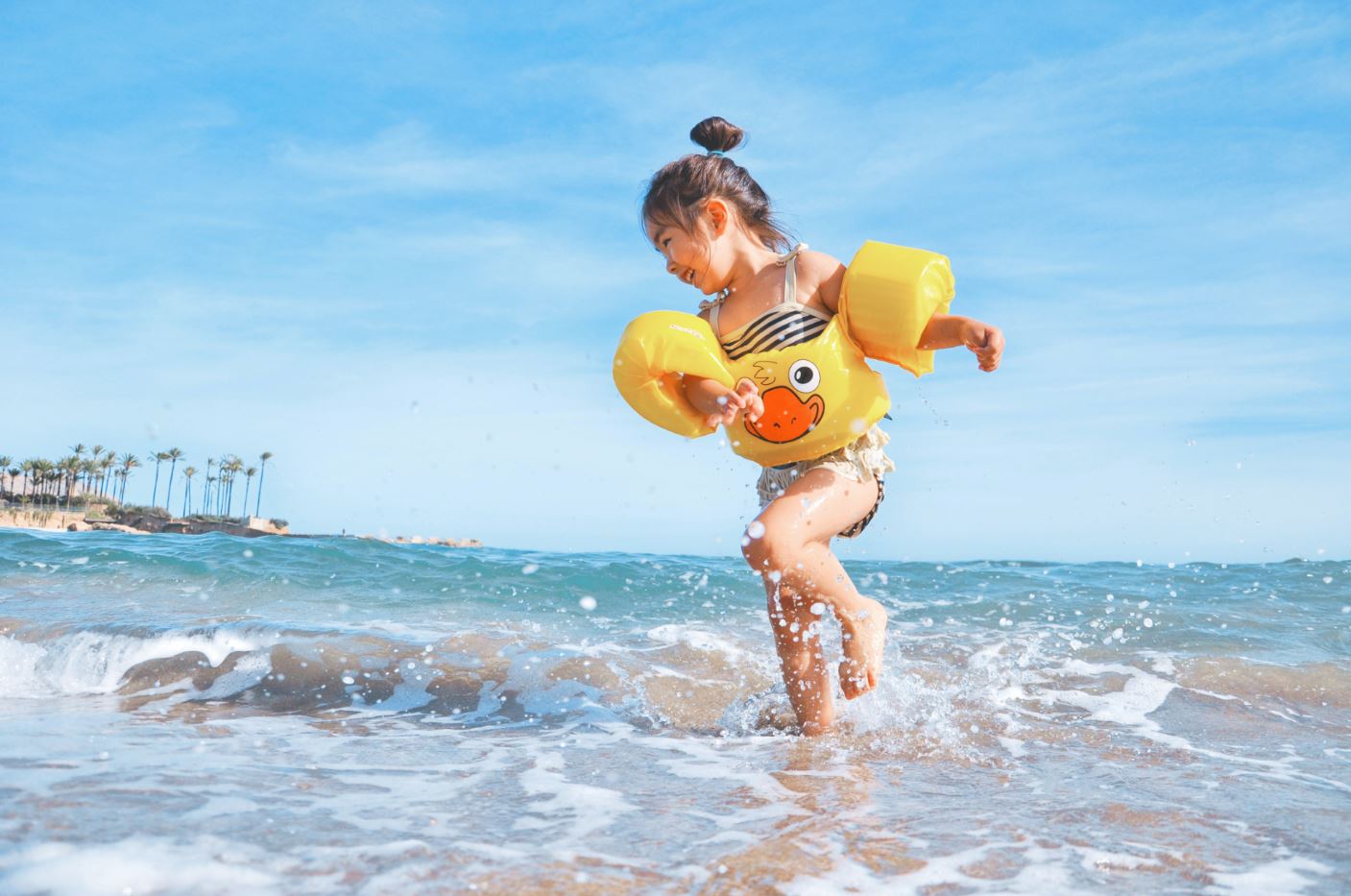
A message from the American Red Cross on water safety: It only takes a moment. A child or weak swimmer can drown in the time it takes to reply to a text, check a fishing line or apply sunscreen. Death and injury from drownings happen every day in home pools and hot tubs, at the beach or in oceans, lakes, rivers and streams, bathtubs, and even buckets.
The Red Cross believes that by working together to improve water competency – which includes swimming skills, water smarts and helping others – water activities can be safer… and just as much fun.
- Employ layers of protection including barriers to prevent access to water, life jackets and close supervision of children to prevent drowning.
- Avoid alcohol when swimming, boating or tubing.
- Know what to do in a water emergency – including how to help someone in trouble in the water safely, call for emergency help and CPR.
Practice Boating Safety

National Safe Boating Week coincides with Memorial Day Weekend, as a lot of people are expected to enjoy the water. Even if you do not plan to be on a boat, here are some standard Memorial Day Safety Tips to keep in mind from the National Safe Boating Council, in order to avoid a tragic accident:
- Follow state and local guidance from public health officials, marine law enforcement agencies, department of natural resources, park services and others
- File a float plan. Make sure a loved one or friend knows the details of your trip in the event of an emergency.
- Everyone should wear a U.S. Coast Guard-approved life jacket when you’re on the water. You never know when an accident may happen, and a life jacket can help save you until search and rescue assets can arrive.
- Carry all required boating safety equipment such as flares, navigation light, a horn or whistle, a first aid kit.
- Be sure to have at least two communication devices that work when wet, such as satellite phones, emergency position indicating radio beacons (EPIRB), VHF radios and personal locator beacons (PLB). Cell phones are not reliable in an emergency situation.
- Don’t drink and boat.
Firework Safety

- Always have an adult supervise fireworks activities, even with seemingly innocent devices like sparklers. In reality, sparklers burn at temperatures of about 2,000 degrees, which is hot enough to melt some metals.
- Never allow young children to play with or ignite fireworks.
- Avoid buying fireworks packaged in brown paper, as this is often a sign that they were made for professional displays and could pose a danger to consumers.
- Never place any part of your body directly over a fireworks device when lighting the fuse. Back up to a safe distance immediately after lighting fireworks.
- Never try to re-light or pick up fireworks that have not ignited fully. I’ve seen countless injuries from patients who attempted to relight a dud, which typically ignites sooner than expected. If it doesn’t light the first time, give up and move on.
- Never point or throw fireworks at another person, and make sure you have plenty of room away from others when lighting a fuse.
- Never carry fireworks in a pocket or shoot them off in metal or glass containers.
- Light fireworks one at a time, then move back quickly.
- Keep a bucket of water or a garden hose handy in case of fire or other mishap.
- After fireworks complete their burning, douse the spent device with plenty of water from a bucket or hose before discarding it to prevent a trash fire.
We hope these Memorial Day safety tips will prove useful for you and your family over the holiday weekend.