

Sun Safety
Spending time outside during the summer is a great way for you and your family to help stay healthier. Consider these health tips to help make the most of your summer.

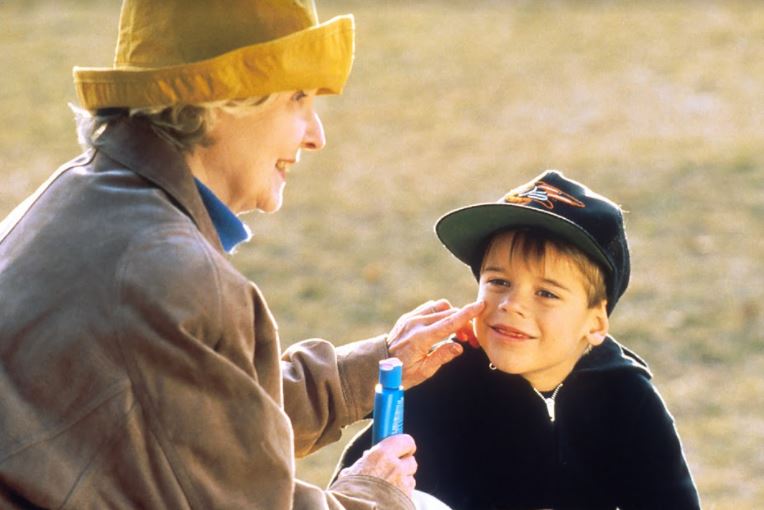
Sunscreen: Your skin can burn even on a cloudy day. Use a sunscreen with an SPF (Sun Protection Factor) of at least 30 to block out the majority of the suns’ UVB rays. Choose a sunscreen labeled “Broad Spectrum”. Remember, sunscreens are not waterproof, only “water resistant”, so be sure to reapply at least every two hours.1
Protecting your skin: Skin cancer is the most common form of cancer. Self-exams can help you identify potential skin cancers early. Use “ABCDE” to help you remember what to look for:2
- Asymmetry: the shape of one half does not match the other.
- Border that is irregular. Borders of early melanoma can be uneven, notched or scalloped.
- Color that is uneven. A variety of colors can be a warning sign.
- Diameter is larger than the eraser on a pencil.
- Evolving. The mole has changed in size, shape, elevation or color.

The Eyes Have It: Help protect your eyes by wearing UV blocking sunglasses and broad brimmed hats. Don’t be fooled by cloudy days and never look directly into the sun.
Heat related illnesses occur when the body is overheated and cannot properly cool itself. Heat related illnesses can be life threatening and can also cause damage to the brain and other vital organs. Become familiar with these symptoms:
- Heat Exhaustion: heavy sweating, cold, pale, clammy skin, fast or weak pulse, nausea or vomiting, muscle cramps, tired or weakness, dizziness, headache, fainting. Seek medical help right away if the person is vomiting or if symptoms worsen or last more than an hour.
- Heat Stroke: High body temperature of 103 degrees F or higher, hot, red, dry or damp skin, fast/strong pulse, headaches, dizziness, nausea, confusion, losing consciousness. Call 911 right away! Heat stroke is a medical emergency.
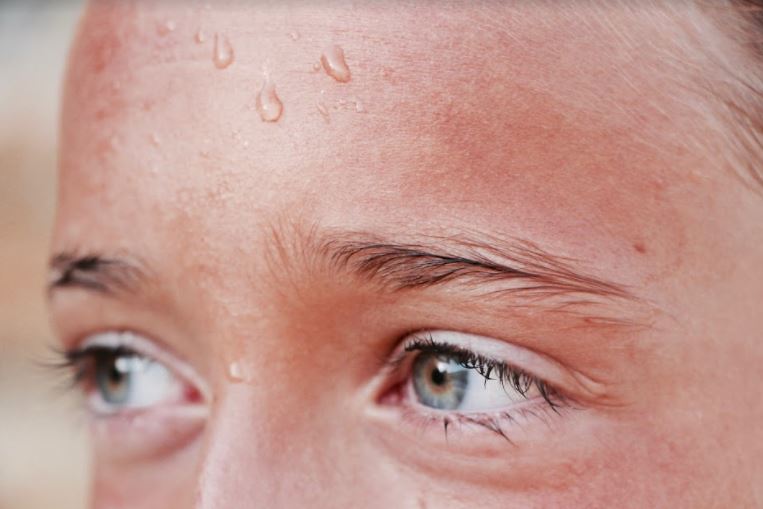
Help prevent heat related illnesses by following these simple rules: stay hydrated, wear appropriate clothing, stay cool indoors, and NEVER leave anyone in a closed, parked vehicle. Use the buddy system to watch out for those most at risk: people over 65, people with chronic conditions, infants and children, outdoor workers, low income households, and athletes.
1.American Cancer Society, Choose the Right Sunscreen, https://www.cancer.org/latest-news/choose-the-right-sunscreen.html accessed August 28,2019
2.American Cancer Society, Signs and Symptoms of Vulvar Cancers and Pre-Cancers, https://www.cancer.org/cancer/vulvar-cancer/detection-diagnosis-staging/signs-symptoms.html accessed August 28, 2019.
The information provided in this flier is for general informational purposes only and is not intended nor should be construed as medical advice. Individuals should consult an appropriate medical professional to determine what may be right for them.