

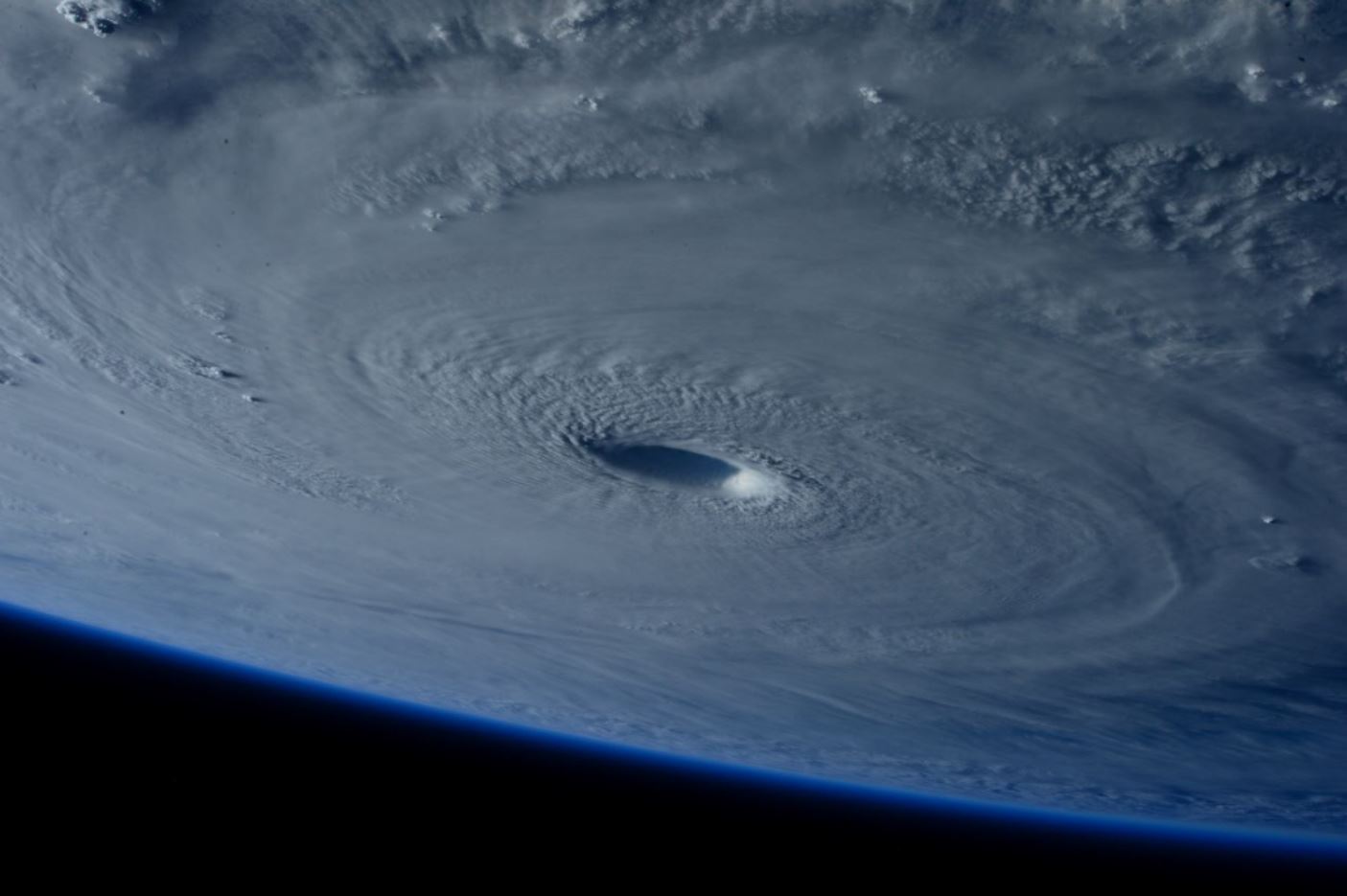
We are going through a challenging time as we navigate the impacts of the coronavirus disease 2019 (COVID-19) pandemic. COVID-19 is likely to be with us for a long time, and that is why we must prepare a little differently for other disasters that may affect our communities. It is difficult to think about, but other disasters, like hurricanes and wildfires, can still strike.
Knowing what hazards can affect your community and learning what to do before, during, and after each one will help you stay safe, and strengthen your ability to adapt, so that you can recover or ‘bounce back’ quickly. There are actions that you can take to prepare while still protecting yourself from COVID-19 during a disaster. Use this guide to help you plan.
Which disasters could I face?
Some disasters, such as floods and home fires, can occur anywhere. Others, including earthquakes and hurricanes, are more common in certain regions. To understand your local risks:
- Learn about your community’s response plan for each disaster and determine if these plans have been adapted because of COVID-19. Find contact information for state, local and tribal governments and agencies, and for state emergency management agencies.
How will I meet my basic needs in a disaster during a pandemic?
Disasters can cause sudden challenges like knocking out power, blocking roads, disrupting the response of emergency services, and causing stores and pharmacies to close for an extended period. COVID-19 adds to this complexity. Prepare now so that you have critical skills and can meet your basic needs.
- Learn lifesaving skills, such as First Aid and CPR. The Red Cross has a variety of online classes to learn these skills. Also, download the free First Aid App (search “American Red Cross” in app stores)
- Assemble two kits of emergency supplies and a one-month supply of prescription medication. Start with this basic supply list. Customize your kits to meet your needs. Include disinfectant and hygiene items like soap and hand sanitizer to protect against COVID-19. Some supplies may be hard to get, and availability will worsen in a disaster, so start gathering supplies now.
- Stay-at-home kit (2 weeks of emergency supplies): Include everything you need to stay at home for at least two weeks with items such as food, water, household cleaning and disinfectant supplies, soap, paper products and personal hygiene items.
- Evacuation kit (3 days of supplies in a “go bag”): Your second kit should be a lightweight, smaller version that you can take with you if you must leave your home quickly. Include everything you need to be on your own for three days – food, water, personal hygiene items, and cleaning and disinfectant supplies that you can use on the go (tissues, hand sanitizer with 60% alcohol and disinfection wipes). Ensure that you have cloth face coverings, such as masks and scarves, for everyone in your household who can wear one safely. Cloth face coverings are not a substitute for physical distancing. Continue to keep about 6 feet between yourself and others in public. Cloth face coverings should not be placed on young children under age 2, anyone who has trouble breathing, or is unable to remove it without help.
- 1-month supply of prescription medication, as well as over-the-counter medications like cough suppressants and fever reducing drugs and medical supplies or equipment. Keep these items together in a separate container so you can take them with you if you have to evacuate.
How do I make a disaster plan during a pandemic?
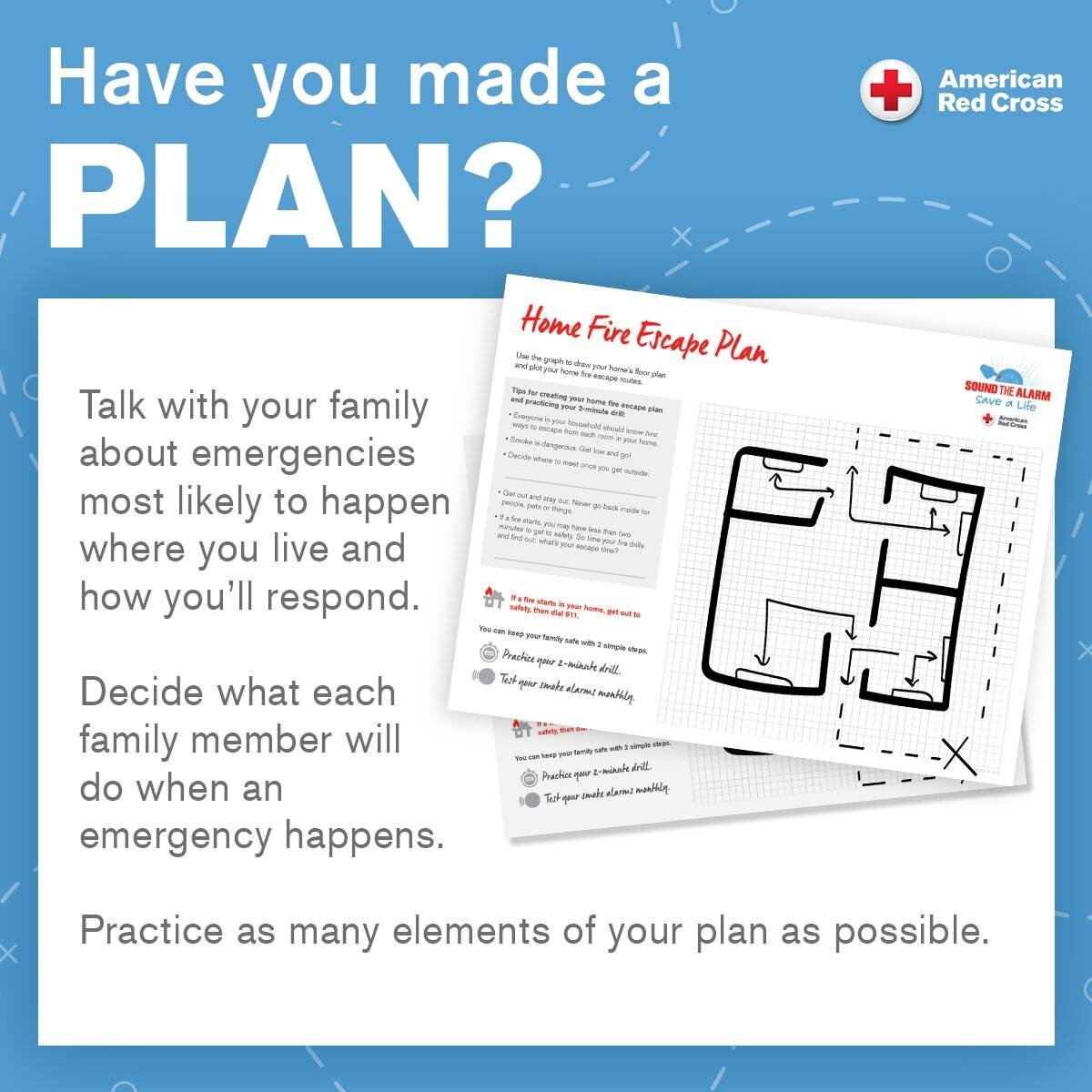
Plan what you will do before, during, and after each type of disaster. Different emergencies require different actions to stay safe.
- Download the free Red Cross Emergency App for safety tips, severe weather alerts and more.
- Get accurate information on how to protect yourself and your loved ones from COVID-19 from the CDC at cdc.gov/coronavirus/2019-nCoV/index.html and the Red Cross at redcross.org/coronavirus.
Be sure that you can quickly find out about a hazard. Have access to weather alerts and community notifications. Be sure that you can receive official notifications even during a power outage. Always follow the directions of your state and local authorities.
- Register to receive free emergency alerts that your community may offer. Consider purchasing a battery-powered radio or downloading the free Red Cross Emergency App.
- Know the types of notifications to expect and what to do when you receive them. For example, a “watch” means you should be ready to act; a “warning” means you should take action immediately.
- Learn the natural warning signs of a hazard — you may not always receive an official alert.
- Because of COVID-19, stay current on advice and restrictions from your state and local public health authorities as it may affect your actions and available resources and facilities.
Stay or Go?
Some disasters require you to stay in place to stay safe. Other disasters require you to go somewhere else to stay safe. If you need to go somewhere else, think through these questions:
- Where will I go?
- How will I get there?
- Where will I stay?
- How can I help protect myself from COVID-19?
- What will I bring with me?
For example, in a hurricane or a wildfire, you may need to leave your home quickly and travel to a safe place outside the affected area. If authorities advise you to evacuate, be prepared to leave immediately with your evacuation kit (“go bag” of emergency supplies).
- Plan now if you will need help leaving or if you need to share transportation.
- Ask friends or relatives outside your area if you would be able to stay with them. Check and see if they have symptoms of COVID-19 or have people in their home at higher risk for serious illness. If they have symptoms or people at higher risk in their home, make other arrangements. Check with hotels, motels, and campgrounds to see if they are open. Find out if your local emergency management agency has adapted its sheltering plans.
- If you have to evacuate, have a plan for where you’ll go (relatives, friends) and know what sheltering resources are available in your community through emergency apps or messaging from local emergency management officials.
If I am separated from my family, how will I reconnect with them?
Create a plan to reconnect with loved ones if communication networks are down. Have a back-up battery to charge your cell phone.
- Complete a contact card for each member of your household, and ensure that they carry it with them.
- Text is best. A text message may go through when a phone call will not.
- Designate an out-of-town contact who can help your household reconnect. It may be easier to reach people outside the affected area.
- Plan a meeting spot so you can reconnect when it is safe to do so:
- In a specific location, at a safe distance from your home for a home fire.
- Outside your neighborhood, in case you cannot return home or must evacuate.
- Familiarize yourself with the American Red Cross Safe & Well website in case you need help to reconnect.

What critical documents do I need to recover quickly?
Having important documents will help you to start recovering right away after a disaster. Safeguard personal, financial, insurance, medical and other records. Important documents include:
- Birth certificates, passports, Social Security cards
- Current digital photos of loved ones updated every six months, especially for children
- Insurance policies, deed, mortgage, lease, and loan papers
- List of medications, allergies, and medical equipment.
- Photos of valuable belongings you may want to include in an insurance claim.