

According to the CDC, new variants of Covid-19 are emerging worldwide, and a few have already found their way to the United States.
What we know
Viruses frequently change through mutation, and new variants of a virus are expected to occur over time. Sometimes new variants emerge and disappear. Other times, new variants appear and persist. Multiple variants of the virus that causes COVID-19 have been documented in the United States and globally during this pandemic.
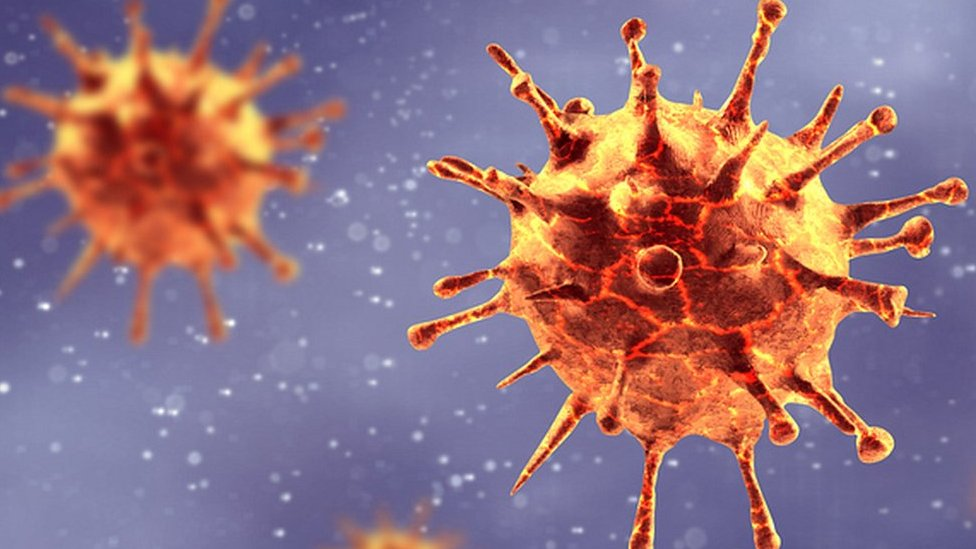
The virus that causes COVID-19 is a type of coronavirus, a large family of viruses. Coronaviruses are named for the crown-like spikes on their surfaces. Scientists monitor changes in the virus, including changes to the spikes on the surface of the virus. These studies, including genetic analyses of the virus, help scientists understand how changes to the virus might affect how it spreads and what happens to people infected with it.
Multiple variants of the virus that causes COVID-19 are circulating globally:
- The United Kingdom (U.K.) identified a variant called B.1.1.7 with many mutations in the fall of 2020. This variant spreads more easily and quickly than other variants. In January 2021, experts in the U.K. reported that this variant might be associated with an increased risk of death compared to other variant viruses. However, more studies are needed to confirm this finding. It has since been detected in many countries around the world. This variant was first seen in the U.S. at the end of December 2020.
- In South Africa, another variant called B.1.351 emerged independently of B.1.1.7. Initially detected in early October 2020, B.1.351 shares some mutations with B.1.1.7. Cases caused by this variant have been reported in the U.S. at the end of January 2021.
- In Brazil, a variant called P.1 emerged that was first identified in travelers from Brazil, tested during routine screening at an airport in Japan, in early January. This variant contains a set of additional mutations that may affect its ability to be recognized by antibodies. This variant was first detected in the U.S. at the end of January 2021.
These variants seem to spread more easily and quickly than other variants, leading to more cases of COVID-19. An increase in the number of cases will put more strain on health care resources, lead to more hospitalizations and potentially more deaths.
So far, studies suggest that antibodies generated through vaccination with currently authorized vaccines recognize these variants. This is being closely investigated, and more reviews are underway.
Rigorous and increased compliance with public health mitigation strategies, such as vaccination, physical distancing, use of masks, hand hygiene, and isolation and quarantine, is essential to limit the virus’s spread that causes COVID-19 and protect the public health.
What we do not know
Scientists are working on learning more about these variants, and more studies are needed to understand:
- How widely these new variants have spread
- How the disease caused by these new variants differs from the disease caused by other variants that are currently circulating
- How these variants may affect existing therapies, vaccines, and tests
What it means
Public health officials are studying these variants quickly to learn more to control their spread. They want to understand whether the variants:
- Spread more easily from person-to-person
- Cause milder or more severe disease in people
- Are detected by currently available viral tests
- Respond to medicines currently being used to treat people for COVID-19
- Change the effectiveness of COVID-19 vaccines
- (n.d.). New variants of the virus that causes covid-19. Retrieved February 08, 2021, from https://www.cdc.gov/coronavirus/2019-ncov/transmission/variant.html